Introduction
Is the retail world matching the pace of change in regard to how customers shop? How can Kingfisher/OpCos move towards a better overall customer experience? This article aims to highlight the primary customer practices that Tesla has developed and examine how these might be applied to the home improvement environment.
Case Study: Tesla
Why has Tesla done so well? Tesla, developed by Elon Musk (Chairman, Product Architect and CEO), has had a major impact in recent years on the automobile market. They have created stylish eco-friendly cars and aim to make a step change in car design for the future. They’ve enjoyed over a million store visits in a single year, posted their best sales quarter ever (Q3 2016), with sales doubling from over a year ago, and have continued to see a significant rise in revenue. This is a noteworthy success since the Tesla Model S was named ‘Motor Trend Car of the Year’ in 2013.
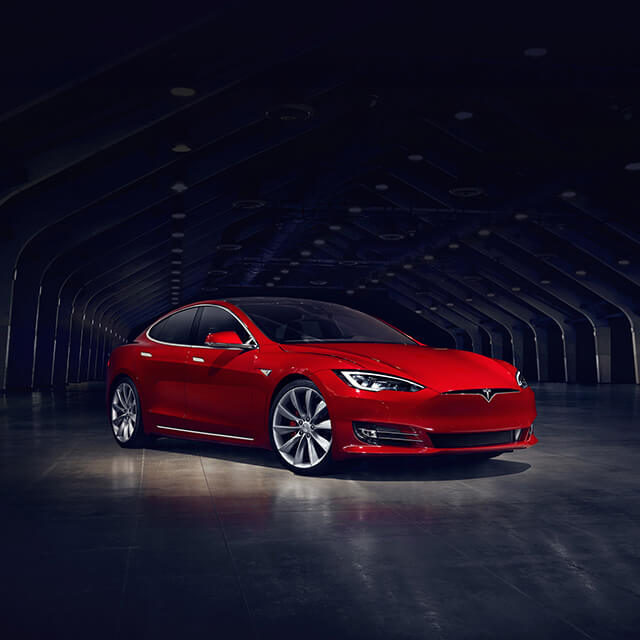 But why is there so such buzz around this relatively new company? What are they doing differently that others aren’t?
Evidently, they are pushing the boundaries on electric cars, which have failed, until recently, to gain significant traction with customers; improved technology and image are helping turn this around. Perhaps not surprisingly, the presence of Elon Musk is a huge driving force behind their success. He has an incredible vision and inspires people to make strides towards the future with him. In terms of Tesla, he stated that ‘our technology is different, our car is different, and, as a result, our stores are intentionally different’. From a business model perspective, it is worth highlighting two key reasons for Tesla’s success. The first is how they have radically rethought the concept and design of the car. The second, and the one that merits closer examination of its relevance to the broader retail market, is how they have acted significantly upon the whole customer experience.
Purchasing a car is a major ‘life decision’ for many, with people often spending months trying to decide which car they prefer. At Tesla, through the help of Nurun, they have created a customer experience like no other. Quite simply, they are engaging people in new ways. Nurun worked with Tesla to create a ‘rich, interactive experience that engages the public and generates sales inside each of its high traffic stores.’[1]
Nurun identifies three reasons by way of explaining Tesla’s impressive results to date:
- Leverage vertical integration. Tesla has focused on vertical integration, which has enabled them to achieve a unified brand experience. As a result, the company owns and manages its whole business model, from concept and design to manufacturing and sales.
- Choice of high traffic retail spaces. One of their main aims has been to open all their stores in high traffic retail locations, often on the high street, eg. Oxford Street, London. This approach allows them to interact with and educate potential customers in a less formal, more experiential environment.
- Enhancing their stores with technology. Tesla has utilised technology to deliver a variety of informative experiences in a small space. A remotely managed network of interactive stations introduces visitors to Tesla vehicles and how they work.
Store Location and their Design and Technology
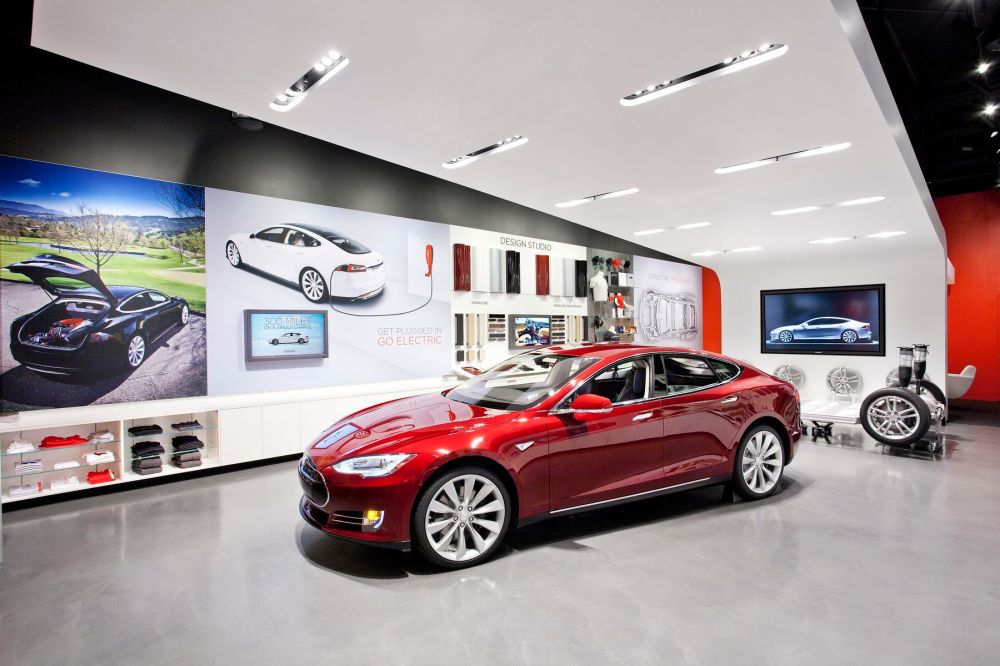
Tesla has focused significant effort on both the location and design of their stores.
In terms of location, their more technology-based stores has allowed Tesla to bring them to the high street more easily than most car retailers, as they display very few cars on the premises and therefore space is not a major issue. In Oxford Street, they have only one car on display. Their ability to locate stores where footfall is heaviest is therefore made much easier.
As part of their marketing effort and recognising the need to have a strong influence on prospective customers, they also knew they needed to try something different to tempt people to make a ‘leap of faith’ and change their loyalties over their past car choices. In the concept of their in-store customer engagement, they have focused around three main steps:
- Learn – Interactive stations have been designed to draw people into their stores with visuals and content that address the most common questions potential customers have about electric vehicles. They intend to move visitors from general interest to real consideration.
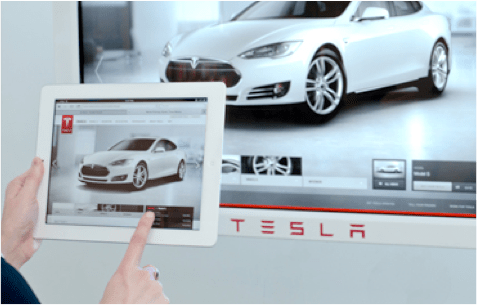
- Configure – Visitors can configure their own cars by choosing paint colour, interiors, wheels and roof type. This creative process helps people imagine owning a Tesla. They can also transfer their designs to the large-scale display at the rear of the store for all to see, including those who have just entered the store.
- And finally, purchase – With their questions answered and their cars designed, visitors head to the back of the store ready to buy. The sales team can then easily retrieve the finished design and discuss additional options before completing the purchase.
Could Kingfisher OpCos occupy the high street?
Tesla’s approach could well lend itself to many of the goods and products sold by OpCos. The ‘whole design’ requirement often sought by customers (for example, for kitchens and bathrooms), could be offered through stores adopting similar design and technology methods as Tesla.
Some OpCos product lines would not lend themselves to this ‘high street’ approach. What would be powerful, however, would be the ability to bring the full range of OpCos offerings to a much greater number of shoppers, particularly those that tend not to venture to the business parks where many OpCos stores are located. All products could at least be ‘signposted’ in these stores. Striking the right balance between our current large-scale business park stores and a number of new high street, technology-heavy stores would be key.
Applicability of Tesla’s ‘store design and technology’ processes to OpCos’ stores
Tesla’s approach to their customers’ in-store experience appears to offer a direct read across to our OpCos stores:
- Learn – Providing interactive stations within stores would help display the whole range of products that are sold, as well as be able to show the whole image of the home interior. These could help move visitors from general interest to real consideration by helping influence their complete decision process on home improvement.
- Configure – Visitors could, for instance, build their own living room (much like Spaces) in store, which would enable them to ‘feel’ their chosen configuration more fully. As well as helping people visualise the process, like Tesla, best designs could be shown via a large screen at the back of the store.
- Purchase – Visitors could then head to a paying station to place a whole purchase order that would then be delivered and constructed in their home.
Other Future Options
Could even more be done? Customers are becoming more technologically friendly. However, the ability to drive footfall or increase the average cart size through online initiatives has remained difficult to achieve thus far. That said, more should be achievable as new technologies mature and are more commonly used. Examples include:
- Use of Chatbots. As an example, products could be ordered on .com+ through the help of Chatbots and used in the interactive stores, whereby Chatbots could help customers with their room designs.
- Virtual Reality. If space allowed for a number of separate rooms within store, more could be created using Virtual Reality. These rooms would contain wall-to-wall screens and would enable customers to see their designs ‘virtually’ around them. Alternatively, VR glasses could fulfil this requirement.
- 3D hologram image producers. Through the use of these image producers, 3D holograms could be used to project a full visual image of a customer’s designs. This would further help to excite customers in home improvement.
- Social Media. Kingfisher should consider marshalling the power of social media, such as through the likes of Pinterest, to influence the whole customer-decision process more effective.
- Greater use of already available technology, such as iPads, combined with some of the options highlighted above, would help further enhance the staff and customer interaction and overall customer experience. It is worth noting that in terms of ‘psychology of choice’, it is proven that too many products reduces customer sales.
Summary
New initiatives, such as offering customers a digitally enhanced in-store experience and providing high street store options (in addition to business park stores), could provide the answer to enhancing Kingfisher’s position in the home improvement market by helping drive up footfall and cart size.
Furthermore, creating a unified interaction with customers, before they visit OpCos stores, whilst in the stores and finally post-purchase, would mean customers benefit from having a smarter and more efficient shopping experience.
[1] See: http://www.nurun.com/en/case-studies/tesla-motors-retail-kiosks/
 Technology for the future